Okinawa · Food culture
3 min read
Habu Sake
How Okinawa’s snake liquor went from a traditional tonic to a souvenir and a canned highball, and what to expect when you order it.
How habu sake became an Okinawan specialty
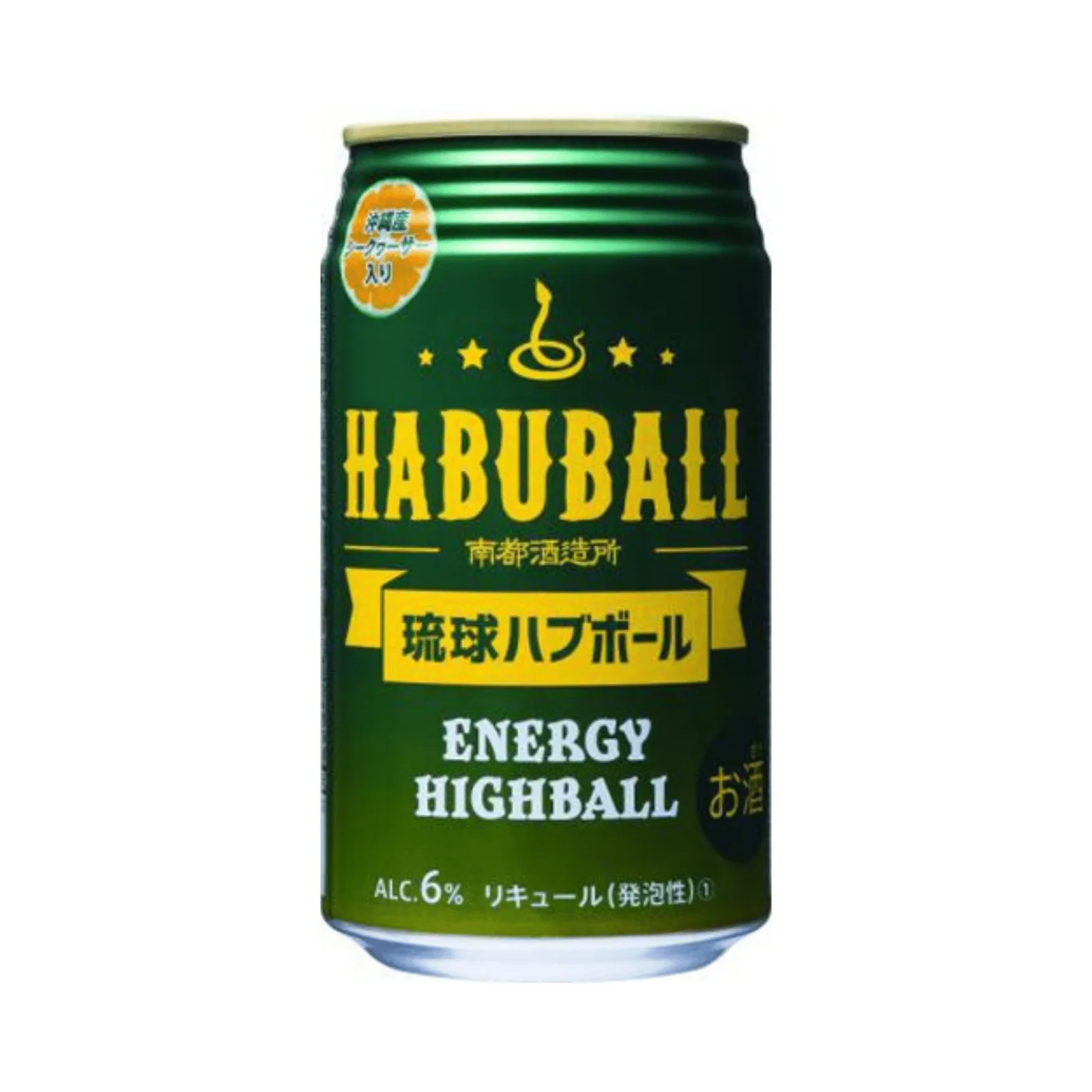
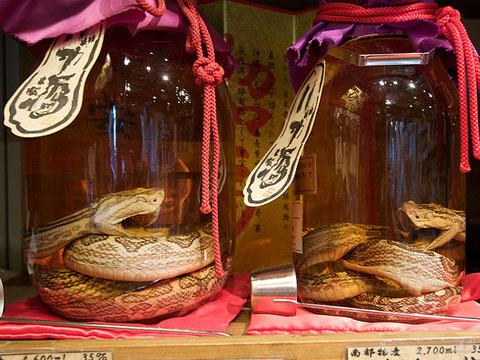
Okinawa brought together two local ingredients: the habu, a venomous pit viper, and awamori, the islands’ distilled rice spirit. Nanto Brewery traces the method to trade between the Ryukyu Kingdom and China around 1500–1600. Helios Distillery records a firm date for its own commercial production: 1970. Its whole-snake bottles became an Okinawan souvenir, and in 2016 Nanto introduced a canned version built for everyday drinking. Nanto’s account of its origins · Helios distillery timeline · Habuball launch
The base spirit, ingredients and venom
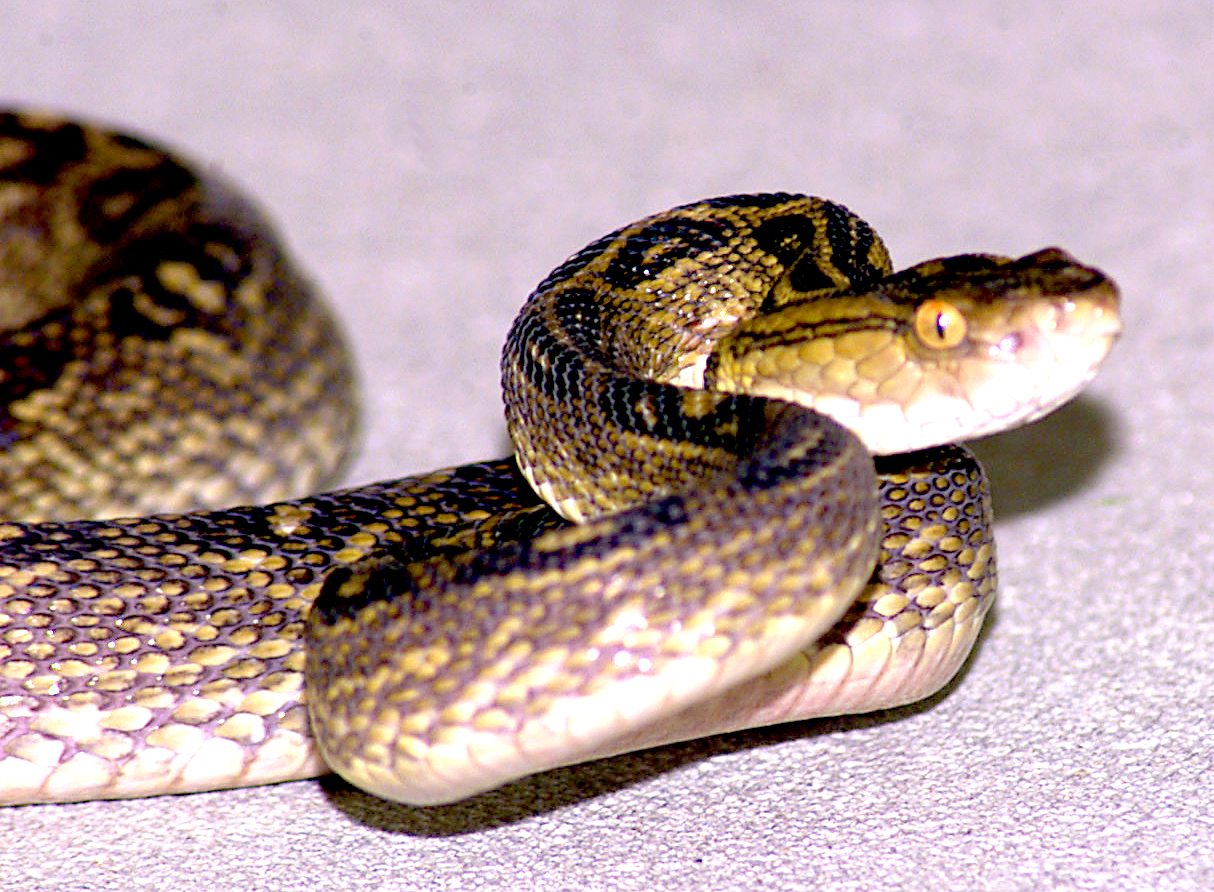
Awamori is the traditional base because it was already Okinawa’s local spirit. Distilled from rice fermented with black koji, it brings its own aroma to the finished drink. Nanto’s 25% habushu blends awamori with habu extract and 13 botanicals. Helios makes its 40% Uruma with rum, reflecting the distillery’s roots in Okinawan sugarcane spirits. Okinawa’s awamori guide · Nanto’s ingredients · Helios tasting menu
Soaking a snake in alcohol alone does not establish that its venom is inactive. Nanto describes treating the snake before extracting flavour for its commercial blend. A published case of a different snake wine documented a serious clotting disorder after ingestion, so the fact that a snake was soaked in liquor tells you little about the safety of an unverified preparation. Nanto’s production description · Emergency medicine case report
The aphrodisiac claim and what it means
The claim grows out of the drink’s reputation as a tonic. Nanto’s own account describes the habu’s hardiness as a source of vitality that drinkers were thought to take in. The older Asia Otaku article framed the sexual claim as a belief, and BuzzFeed linked to it in its 2013 roundup. There is no established clinical benefit for libido or erectile function from drinking habushu. Nanto’s account of habu vitality · Asia Otaku’s original article · BuzzFeed’s roundup
How it is served and why the jar is on display
In a tasting room or bar, habushu is served in a glass. With whole-snake bottles, the snake stays in the jar as the liquor is poured. Helios serves small tasting pours, and Nanto lists neat, on the rocks, diluted with cold or hot water, and mixed with soda. The jar’s visual impact helped turn it into a souvenir. A glass of habushu can be served without the bottle ever coming to the table. Nanto’s serving guide · Helios tasting menu · Helios souvenir history
What it tastes like, bottle by bottle
Nanto Habushu, 25%. Nanto describes a fruit-forward herbal aroma and a brandy-like flavour. That comparison describes the taste. The base spirit is still awamori, with the botanicals adding another layer of aroma. Nanto tasting notes
Ryukyu Habuball. Shikuwasa citrus adds a tart edge, and carbonation makes this drink lighter on the palate than a neat pour. For its dedicated Habuball concentrate, Nanto specifies 30 ml of concentrate and 145 ml of soda over ice. Habuball flavour profile · Nanto’s mixing directions
Helios Uruma, 40%. This is the rum-based option, with a higher alcohol strength than Nanto’s 25% herbal bottling. Order them the same way if you want to compare the two bases. Helios tasting menu