
China · History
2 min read
Shi Cheng: China’s Atlantis
A dam flooded the Lion City in 1959. Its walls, gateways and streets still tell the story beneath Qiandao Lake.
Why the Lion City went underwater
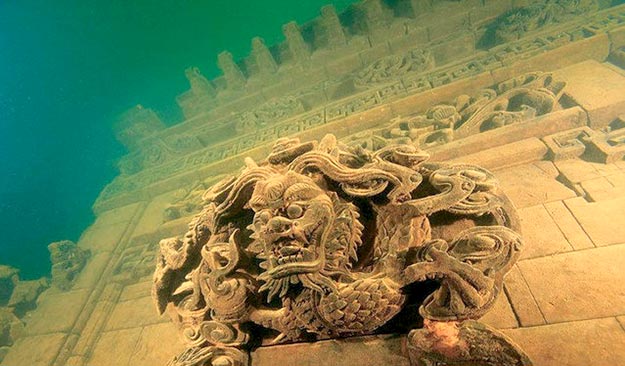
Shi Cheng means “Lion City.” It was a historic settlement in what is now Zhejiang’s Chun’an County. In 1959, the valley was inundated for the Xin’an River Reservoir, better known today as Qiandao Lake. The water covered the city, and the higher ground left above the reservoir became the islands visitors see today. “China’s Atlantis” is a nickname for the submerged ruins. The reservoir project explains how a real town ended up underwater. Zhejiang’s reservoir history
What is still beneath the water
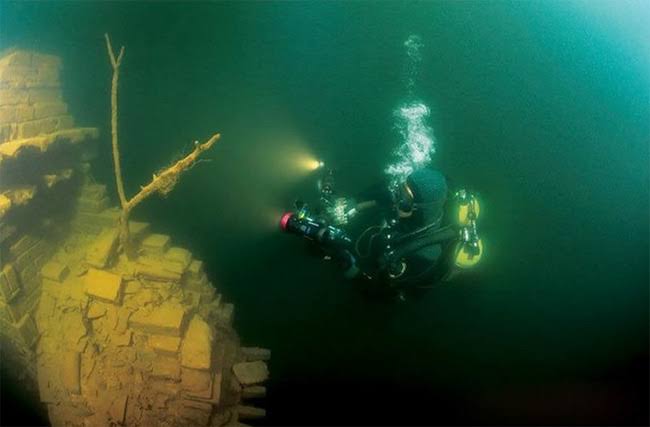
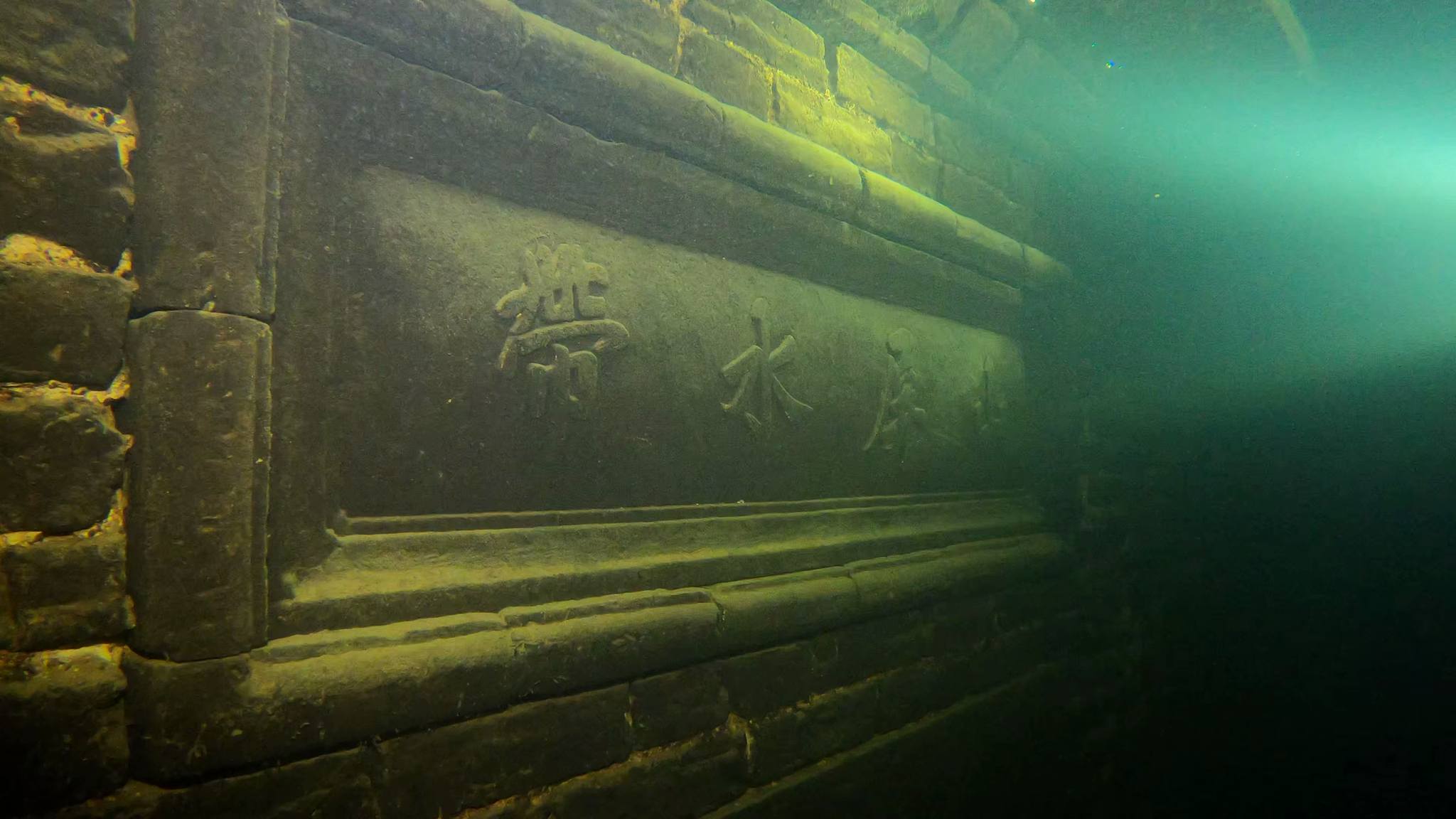
Walls and gateways remain recognisable beneath the lake. A survey conducted in June 2024 used multibeam sonar to record structures and terrain underwater. Sonar is useful here because it can trace shapes beyond the narrow field that a diver’s light or camera captures. A stone doorway gives you a close-up of the city’s architecture, while a survey map helps you see how those structures relate to the wider site. 2024 survey and sonar imagery

What visitors can see today
Above water, the trip is about the reservoir, its islands and the landscape created by the dam. Boat views show how hilltops became islands. To understand the submerged city, pair that view with published photographs or sonar maps. Anyone looking into a specialist dive should confirm current site access, depth and operator requirements before planning around it. Qiandao Lake overview